

I’ve been making seafood recipes for years, and one of the easiest ways to get BIG seafood flavor is to stop throwing away those shells. Use them to make homemade seafood stock. The secret to a really good crab bisque, seafood chowder, or gumbo starts before anything else goes into the pot. It’s the stock. I’ve learned that you can season all day long, but starting with a flavorful base makes a huge difference.
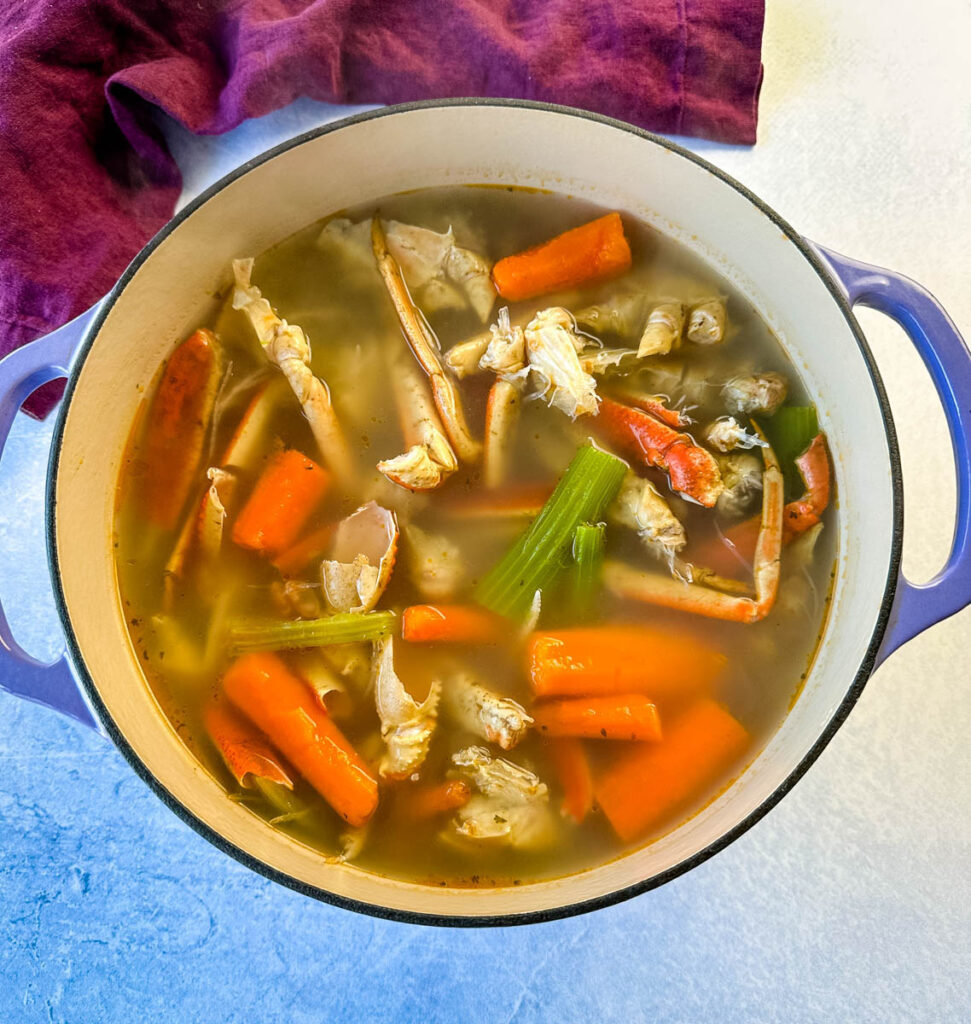
Use this homemade stock to make my creamy crab bisque, shrimp chowder with potatoes, and salmon chowder recipes.
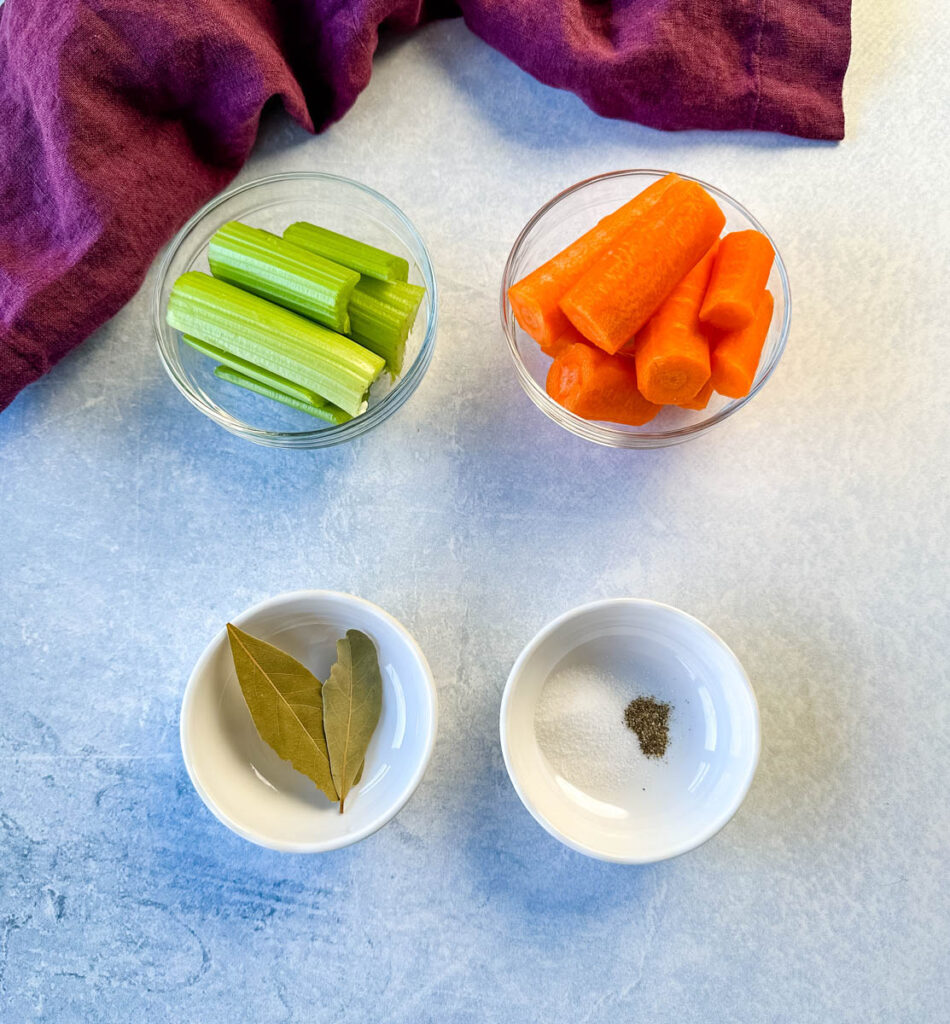
Homemade Seafood Stock Ingredients
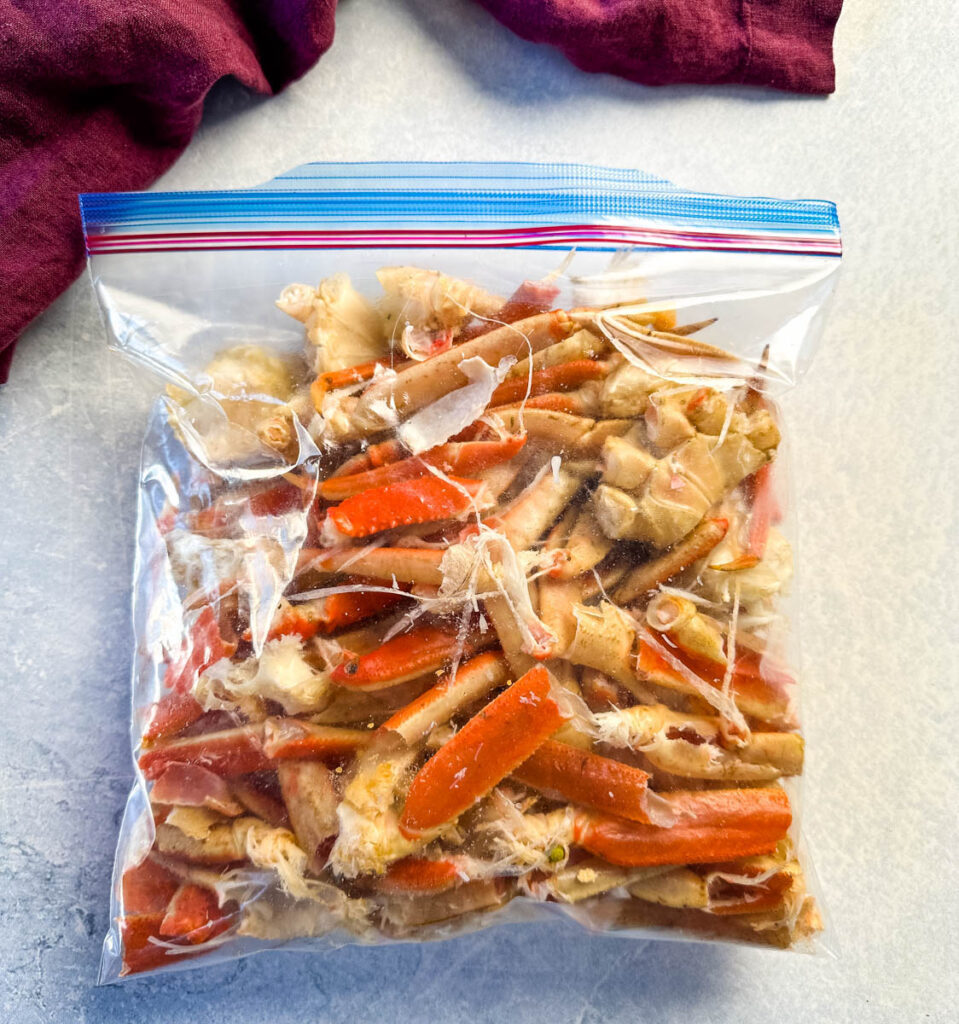
- Seafood Shells (Crab, lobster, shrimp): Save those shells whenever you're cooking seafood. You can freeze them for later to use in the stock.
- Bay Leaves
- Celery
- Carrots
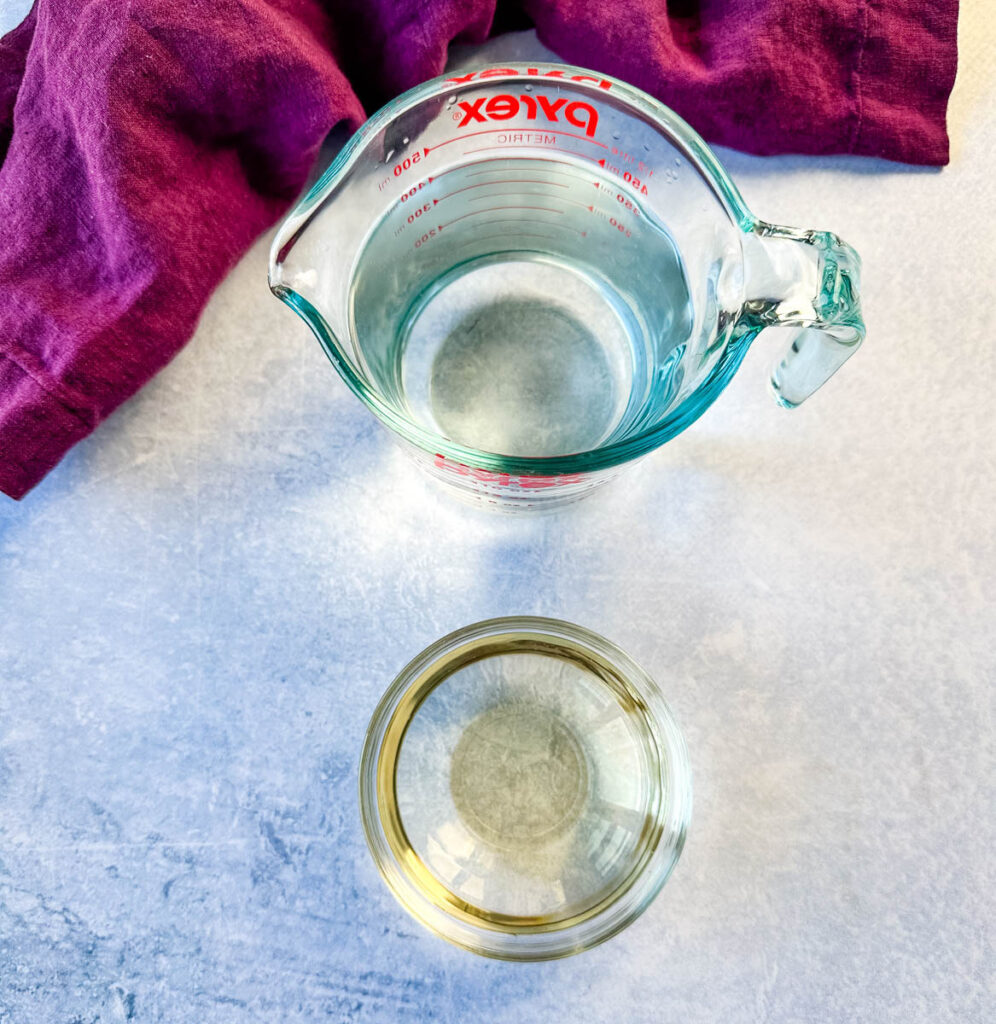
- Dry White Wine (Optional)
- Salt and Pepper
- Water
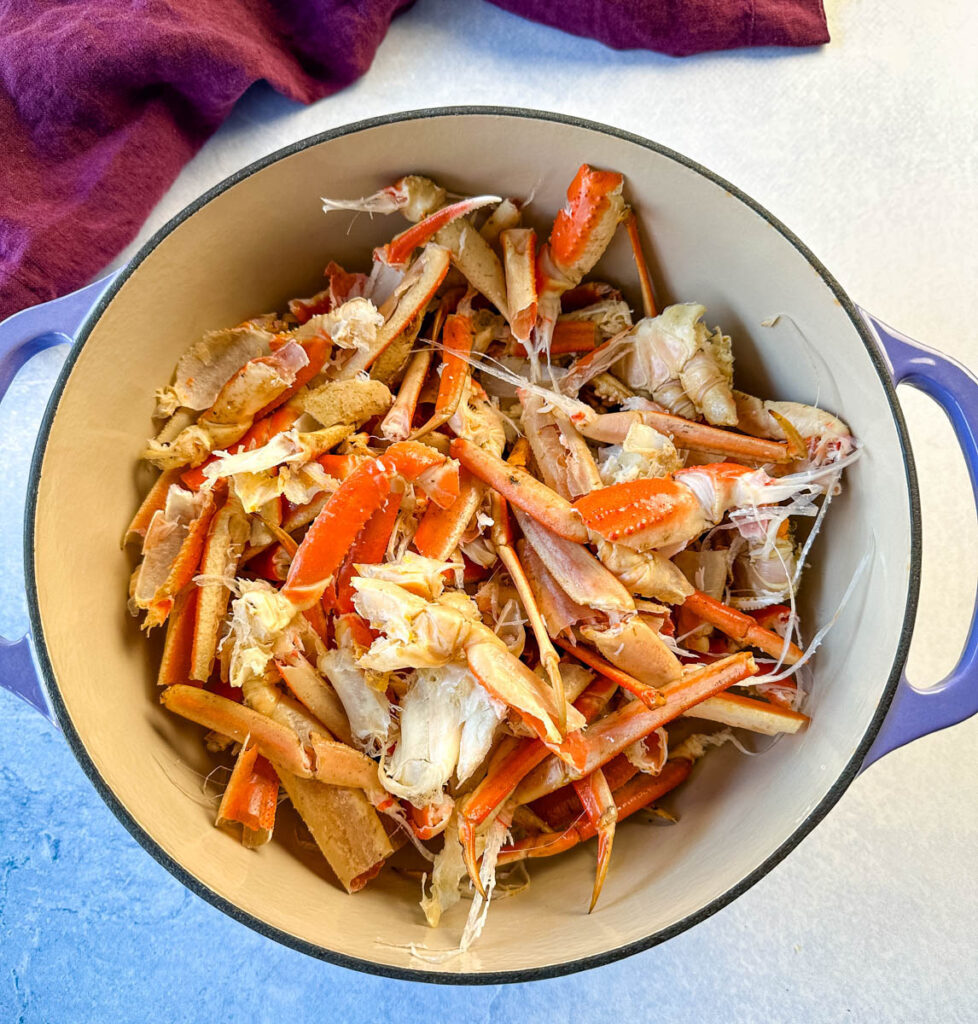
How to Make Seafood Stock
Detailed measurements and full instructions can be found in the recipe card at the bottom of this post.
Want to save this recipe for later?
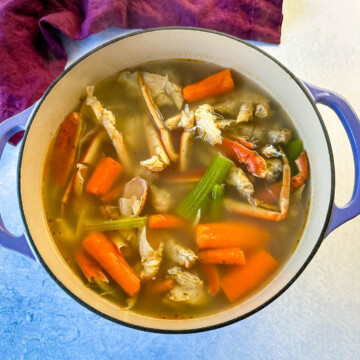
- Add shells, water, carrots, celery, bay leaf, salt, and pepper to taste to a Dutch oven or soup pot on High heat.
- Once the water begins to boil, adjust the heat to medium-low and cover. Simmer.
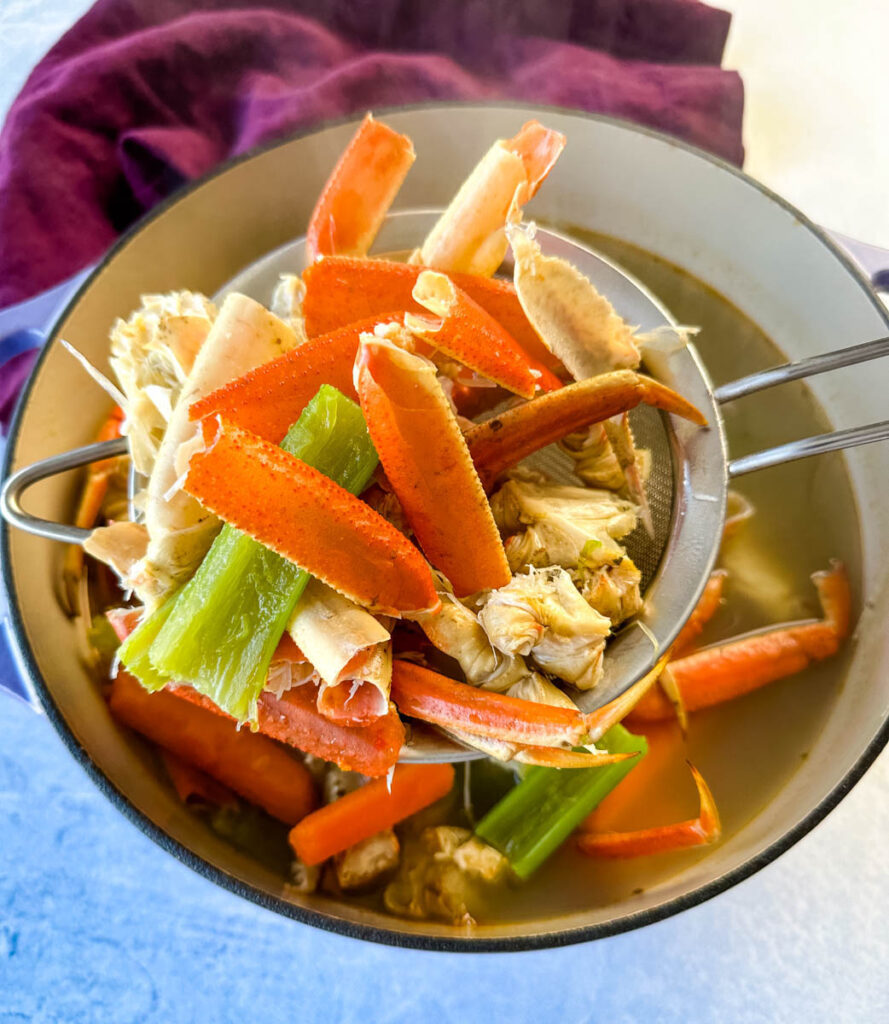
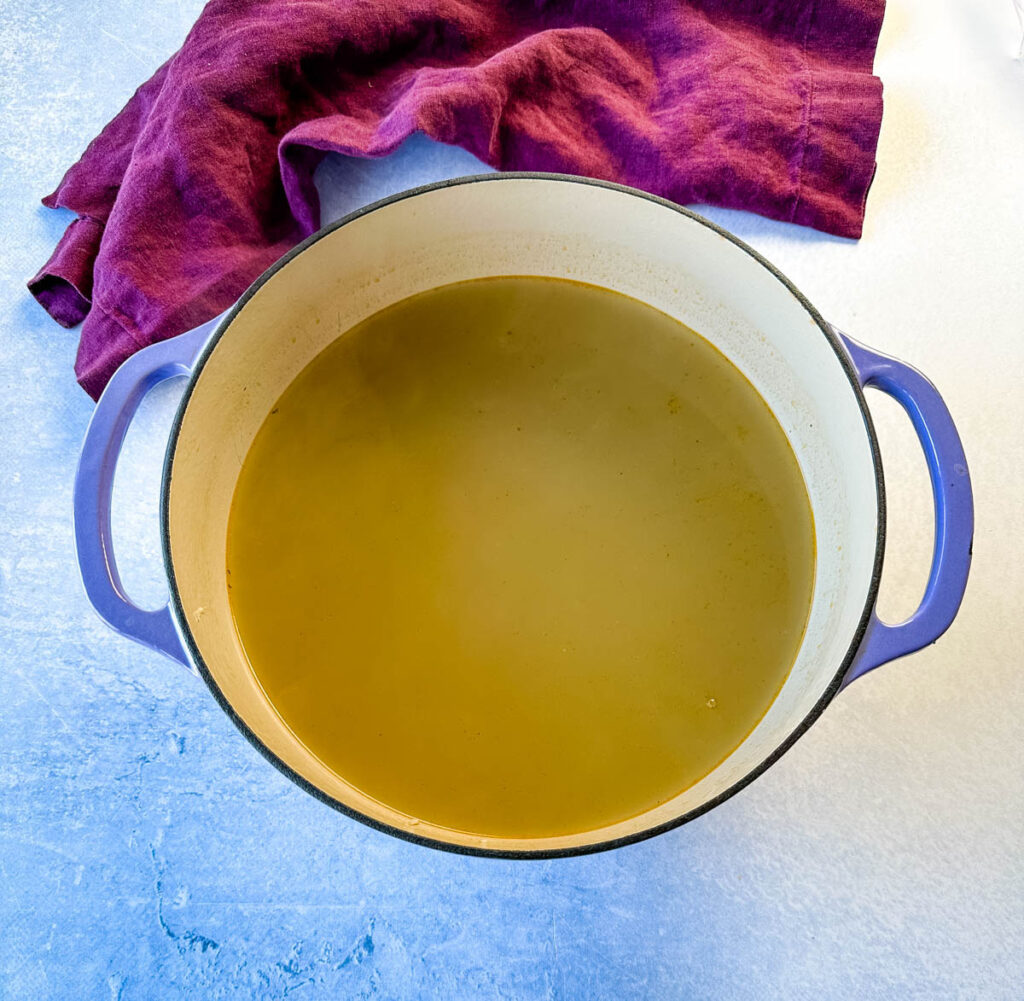
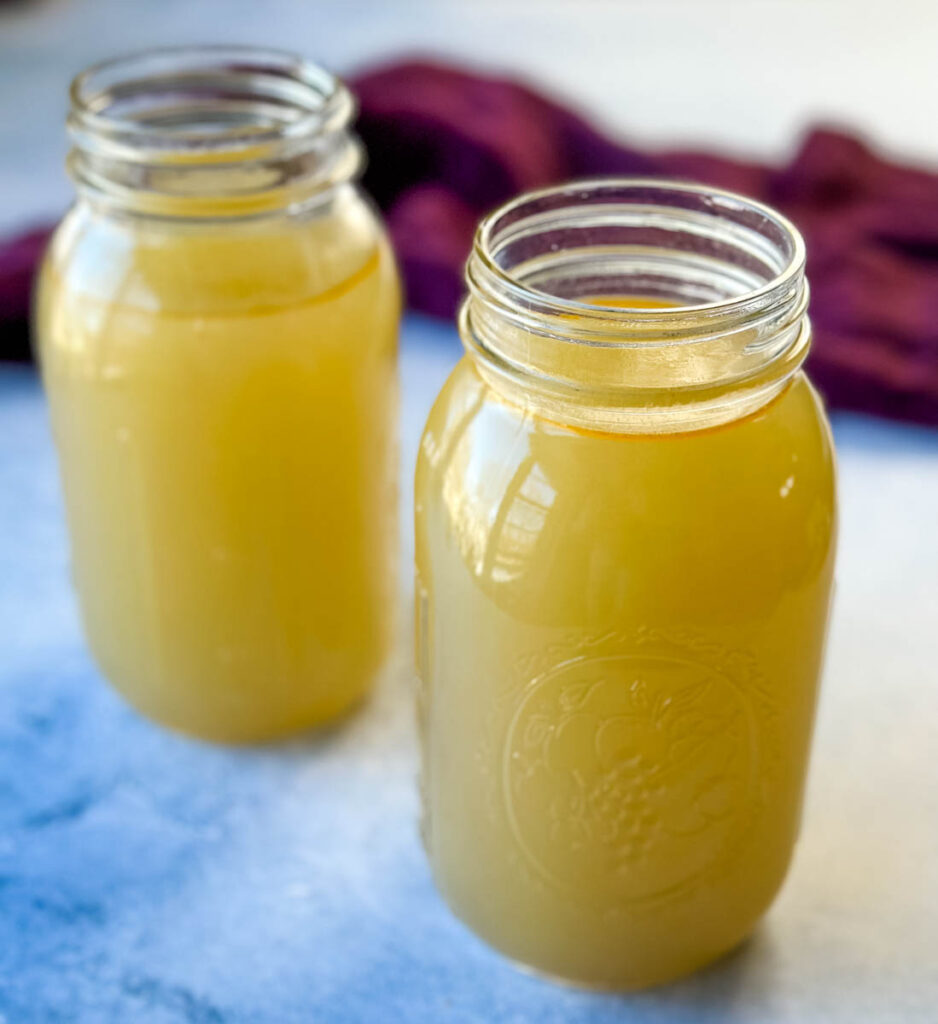
- When the broth is finished, strain the broth using a mesh strainer or cheesecloth.
Seafood Stock Recipe
Want to save this recipe for later?
Equipment
Ingredients
- 1-3 pounds seafood shells Crab, lobster, shrimp.
- 2 bay leaves
- 2 celery stalks Chopped into pieces.
- 3 carrots Chopped into pieces.
- ¼ cup dry white wine I used Pinot Grigio.
- salt and pepper to taste
- water Use enough water to completely cover the shells and vegetables.
Instructions
- Add all of the ingredients to a Dutch oven or soup pot on High heat. Be sure to use enough water to cover all of the ingredients. As the broth heats you may notice bubbles/scum. You can spoon that out with a spoon or ladle.
- Once the water begins to boil, adjust the heat to medium-low and cover. Allow the broth to simmer for at least 25 minutes. Taste the broth repeatedly. Add additional cooking time if the broth does not have immense flavor.
- The number of shells you use and the type of shells you use will impact the cooking time. You may need to allow the broth to cook for an hour or longer.
- When the broth is finished, strain the broth using a mesh strainer or cheesecloth.
Nutrition
Nutrition Data
Macros are provided as a courtesy and should not be construed as a guarantee. This information is calculated using MyFitnessPal.com. To obtain the most accurate nutritional information in a given recipe, you should calculate the nutritional information with the actual ingredients used in your recipe, using your preferred nutrition calculator. You are solely responsible for ensuring that any nutritional information provided is accurate, complete, and useful.
Frequently Asked Questions and Recipe Pro Tips
Seafood stock is a flavorful broth made by simmering shrimp, crab, or lobster shells with vegetables, herbs, water, and white wine. It’s the base I use when I want BIG seafood flavor in soups, bisques, gumbo, risotto, and sauces.
You can also use fish bones or heads if you don’t have shellfish. Everything simmers together to pull out as much flavor as possible, then the stock is strained and ready to use. Simple, but it makes a huge difference in the final dish.
Yes. Fish bones and heads can also be used to make a flavorful seafood stock.
How do I store seafood shells?
Shrimp, crab, and lobster shells are all great options. You can use one type or combine them depending on what you have on hand.
When preparing crab legs or shrimp at home, I have gotten into the habit of keeping the leftover shells to make stock. This stock works great with my Smoked Crab Legs recipe because the broth produces a little smoky flavor that's amazing. You can do the same with any leftover seafood shells.
You can store them in the freezer until you are ready to use them. They will last in the fridge for a few days, but should go in the freezer if you plan to keep them longer.
Here are some storage tips:
Rinse the shells under cold water to clean them.
Pat the shells dry.
Place the shells in a sealable plastic bag or airtight container.
Label the bag or container with the type of shells and the date you stored them.
Place the bag or container in the freezer.
The shells will keep in the freezer for up to several months. When you're ready to make the seafood stock, simply remove the shells from the freezer and add them to the broth. They will defrost quickly.
You want the shells free of any dirt or debris. If necessary, give them a quick rinse before using them.
I don't use a lot of spices in the broth because the recipe you're going to add it to will be very well seasoned. You primarily want the broth to taste like seafood. I use salt and pepper, but feel free to add whatever you like.
As with any stock, you typically want it to cook for an hour or two for maximum flavor. I find that at least 25 minutes of simmering provides great flavor. If you find your stock is bland after 25 minutes, then go ahead and allow it to cook until it reaches the flavor profile you are looking for.
Use plenty of shells, don’t drown them in water, and give everything enough time to simmer. You want a concentrated seafood flavor, not seafood-flavored water.
The stock will last for a week tightly covered in the fridge.
Be sure your stock has cooled and then add it to a sealable airtight container or bag. I like to use these SouperCubes soup molds from Amazon. The stock will last up to 6 months.
Additional Substitutions and Add-Ins
- Onions
- Fresh Thyme
- Garlic
- Parsley
- Fresh Lemon
More Seafood Recipes
Seafood Boil in a Bag
Grilled King Crab Legs
Grilled Snow Crab Legs
Smoked Lobster Tail


Little India says
Little India is a bustling neighborhood in Singapore, known for its vibrant atmosphere and rich cultural heritage. The area is filled with colorful buildings, fragrant spice shops, traditional Indian clothing stores, and lively markets. It's a great place to explore authentic Indian cuisine, with numerous restaurants and street food stalls offering a variety of delicious dishes.